Don’t “Drop the Ball” on Staying Healthy in the New Year
A new year always arrives with hope. Fresh calendars. New routines. A quiet promise to take better care of ourselves and one another. As we step into the months ahead, one of the most meaningful resolutions we can make is also one of the simplest: to stay healthy in ways that protect not just ourselves, but our families, neighbors, and communities.
At the World Health Network, we often remind people that health is not just an individual matter. Infectious diseases move through shared air and shared spaces. Small everyday choices can either slow that spread or allow it to continue. The good news is that staying safer does not require perfection. It requires intention and a few reliable habits.
The Air We Share Matters
COVID remains the most widespread airborne infectious disease affecting our communities. Flu, RSV, measles, and emerging threats like avian influenza are also circulating or poised to resurge. What they have in common is how they spread. These viruses move through the air we breathe, especially indoors.
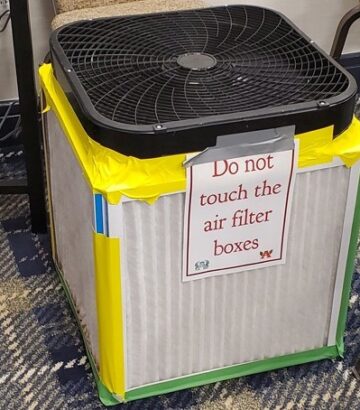
Clean air is one of the most powerful tools we have. Opening windows when possible, improving ventilation, and using HEPA air purifiers can significantly reduce risk. For homes, schools, and community spaces, Corsi Rosenthal boxes offer an affordable and effective way to filter indoor air. These measures protect everyone in the room. Even better, they quietly work in the background without disrupting daily life.
Masking as a Courtesy and a Care Practice
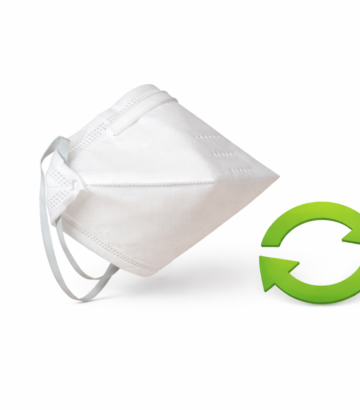
Wearing a well fitting mask in crowded or indoor public spaces is one of the simplest ways to reduce exposure to airborne viruses. It is especially helpful during periods of high transmission, in settings where transmission happens frequently, and when community members are more vulnerable.
Masking is not about fear. It is about courtesy. Much like covering your mouth when you cough, a mask helps protect others while also protecting you. Keeping a few high quality masks on hand makes it easier to choose protection when it matters most. Importantly, masking when there is risk of exposure to airborne viruses enables you to live your life uninhibited from illness.
Testing Early and Staying Home When Sick
If you feel unwell, even mildly, testing for COVID can provide clarity and prevent unintentional spread. Regular testing after potential exposures or before gathering with others adds another layer of protection.
Staying home when sick is an act of respect for the people around you. When remote options are available, choosing to participate virtually allows you to stay connected without putting others at risk. Community does not disappear just because we meet online for a day or two.
Vaccination as Protection
Vaccines remain a critical tool for reducing severe illness, hospitalization, and long term complications. Staying up to date on recommended vaccines for COVID, flu, and other preventable diseases strengthens both individual and community health.
Vaccination works best when paired with other protective measures. No single action does everything. Together, these choices form a strong and flexible safety net.
Small Choices Add Up
None of these practices requires drastic lifestyle changes. They are small shifts that fit into daily routines. Wearing a mask on public transit. Cracking a window during a gathering. Running an air purifier. Testing before visiting a loved one. Logging into a meeting remotely when you feel under the weather.
These are the kinds of choices that keep people healthy enough to show up for the moments that matter.
As the new year begins, don’t “drop the ball” on your health or the health of those around you. Staying safe is not about giving things up. It is about protecting the ability to keep living fully, together, and well.
From all of us at the World Health Network, we wish you a healthy and steady year ahead.