The Multi-systemic Reality: Beyond the Fine Line

Op-Ed
The recent wave of clinical findings confirm what many of us have felt in the trenches of advocacy: COVID-19 is not just a respiratory event; it is a profound neuropsychiatric and multi-systemic disruptor. Research indicates that survivors face a significantly higher risk of mental health challenges, ranging from substance use disorders to severe anxiety. While it is undeniably true that the trauma of a pandemic can exacerbate preexisting conditions, we must be vigilant against the “fine line” of psychologizing what is fundamentally a biological assault on the body.
The Danger of the Single Specialist
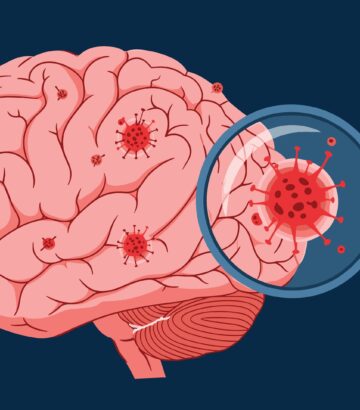
When we view the neurocognitive decline, depression, or anxiety following an infection through a purely psychological lens, we risk missing the physical engines driving those symptoms: viral persistence, chronic immune activation, and endothelial damage. Symptoms like “brain fog” or memory loss are often linked to measurable brain hypo-metabolism and structural changes in functional connectivity.
The “Whole-Body” Mandate
Long COVID is associated with over 200 symptoms affecting the heart, lungs, gut, and nervous system. To treat the “anxiety” without checking for autonomic dysfunction (POTS) or microbiota dysbiosis is to treat a shadow while the fire still burns.
Personal Narrative: The Team of the Whole
I have spent years in the public health trenches advocating for clean air and masking because I understand that every infection is a roll of the multi-systemic dice. This perspective isn’t just professional for me; it is deeply personal. As a patient who has navigated the complexities of COVID myself, I have lived the reality of these findings. I know firsthand the exhaustion of having to explain that my symptoms aren’t just “in my head,” but are physiological disruptions that echo through every system of the body.
When we talk about the “mental health crisis” following COVID, we must speak with precision. We are not just seeing a population that is “stressed” or “anxious”; we are seeing a population whose neurology and biology have been altered.
There is a dangerous tendency to silo these patients. A psychiatrist might see the depression; a cardiologist might see the palpitations; a neurologist might see the tremors. But the patient is one person, and the disease is one systemic fire.
My stance is clear: We cannot allow the medical community to “psychologize” away the systemic damage of this virus. Recognizing that COVID exacerbates mental illness is only half the truth; the other half is that the virus creates new biological pathways for psychiatric distress through neuro-inflammation and vascular damage.
Healing requires more than a single specialist—it requires a team. We need a multidisciplinary approach that treats the physical and the psychological as two sides of the same coin. Until we stop treating the mind as if it’s disconnected from the body’s immune and vascular health, we will continue to fail the millions living with the long-term sequelae of this disease.
It is time to #ConnectTheDots. The body is a system; the disease is multi-systemic; the treatments (or cure  ) must be, too.
#LongCovidAwareness